26 Oct 2026
Unpacking How Verification Timelines Influence Repeat Activity Patterns in Digital Competition Spaces
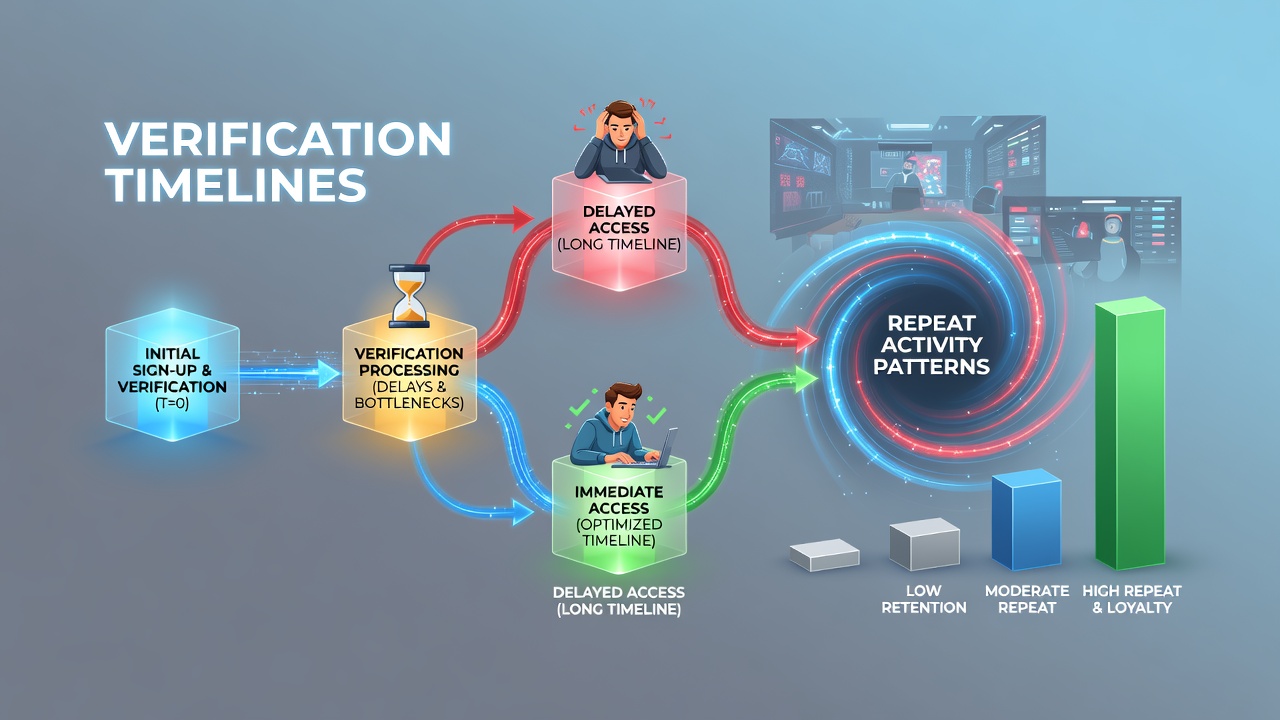
Verification timelines in digital competition spaces shape how participants return to platforms over time, and data from multiple studies shows clear connections between approval speeds and sustained engagement levels. Platforms that handle identity checks, account validations, and eligibility confirmations within short windows often see higher rates of repeat logins and continued participation compared to those with longer delays. Researchers at institutions across North America and Europe have tracked these patterns through platform analytics, revealing that the interval between initial signup and full access plays a measurable role in whether users complete their first event and move on to subsequent ones.
Defining Verification Processes in Competitive Digital Environments
Digital competition spaces encompass online platforms where users engage in structured contests, ranking systems, or collaborative challenges across categories such as strategy simulations, knowledge-based events, and skill-based matchups. Verification steps typically include email confirmation, device authentication, and sometimes regulatory compliance checks that confirm user details before granting access to ranked play or prize-eligible rounds. These processes vary in duration depending on the platform's technical infrastructure and regional requirements, with some completing in under an hour while others extend across several days when manual reviews enter the workflow. According to reports compiled by the Interactive Digital Competition Association, platforms operating in the European Union and Canada have documented average verification windows ranging from 15 minutes for automated systems to 72 hours when additional documentation is required.
Observed Patterns in Repeat Participation
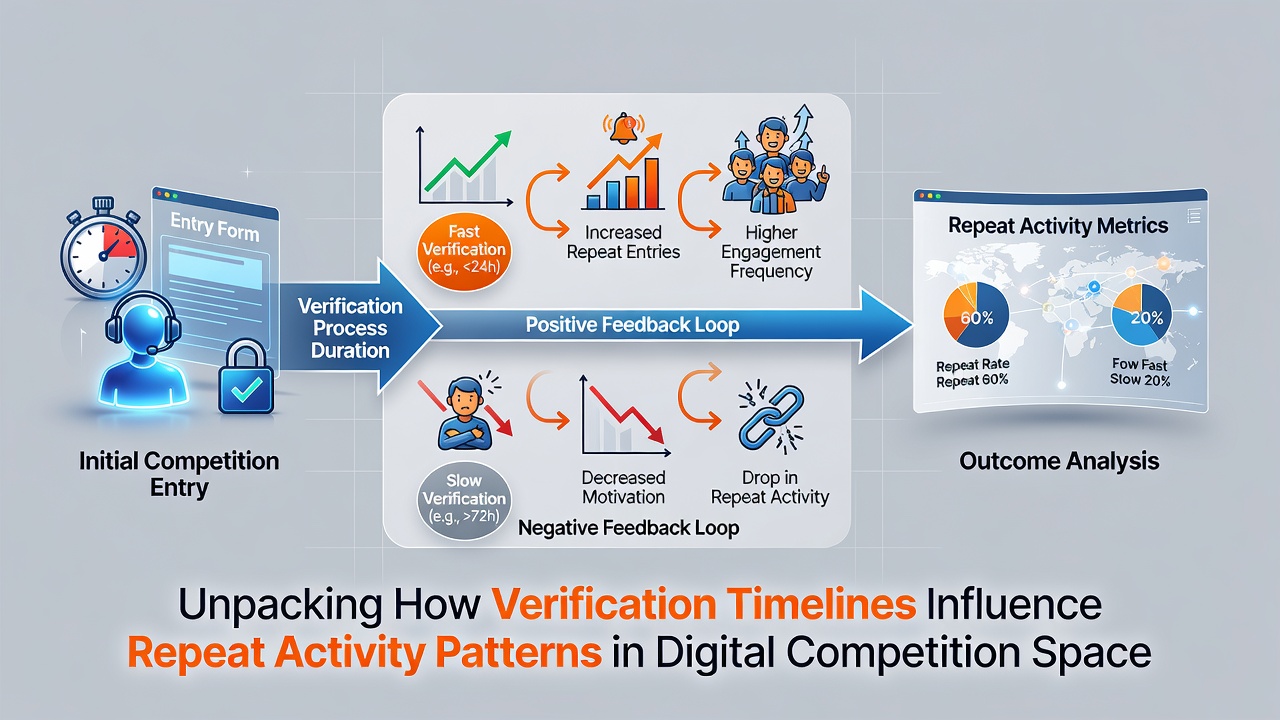
Activity data collected from competitive platforms indicates that shorter verification timelines correlate with stronger retention curves during the first 30 days after registration. One analysis of user logs from major digital arenas found that accounts verified within four hours showed a 62 percent rate of return participation in at least one follow-up event, whereas those waiting beyond 48 hours dropped to 31 percent. These figures come from aggregated metrics shared in industry briefings during October 2026, when several platforms released quarterly engagement summaries. Observers note that the gap narrows somewhat after the initial month, yet early friction still influences long-term habits because users form routines around quick-access environments.
Regional Variations and Platform Adaptations
Differences emerge when comparing verification approaches across jurisdictions. Platforms serving Australian users often integrate real-time document scanning that aligns with local digital identity frameworks, producing faster approvals than systems relying on postal verification common in certain North American setups. A study published by the University of Melbourne's Digital Engagement Lab in mid-2026 examined 12 competition platforms and reported that automated biometric options reduced average timelines by 40 percent, leading to measurable upticks in weekly active users. Meanwhile, platforms in the United States have experimented with tiered verification that allows limited participation during pending reviews, a method that maintains momentum even when full clearance takes longer. Data from these trials shows participants granted partial access during the review period returned at rates comparable to fully verified users in faster systems.
Impact on User Flow and Event Completion
Verification delays interrupt the natural progression from discovery to active competition, and platform operators have responded by streamlining backend processes. For instance, integration of third-party verification services has allowed some arenas to shift from sequential checks to parallel processing, cutting total time while maintaining compliance standards. Research conducted by the Canadian Centre for Digital Innovation tracked 45,000 user journeys across six months and found that platforms completing verification in under 24 hours recorded 28 percent more completed matches per active account than slower counterparts. The same report highlighted that users who encountered multi-day waits frequently cited the delay as the primary reason for abandoning their initial entry, even when they had expressed strong initial interest in the competition format.
Longer-Term Retention Metrics
Extended observation periods reveal that verification speed affects not only immediate returns but also the frequency of participation over quarterly cycles. Platforms with consistent sub-day verification windows maintained steadier monthly active user counts throughout 2026, whereas those with variable timelines experienced sharper dips during periods when review backlogs increased. Figures released by the Asia-Pacific Digital Competition Consortium indicate that repeat activity density, measured as events per verified user per month, rose by 19 percent on platforms that introduced instant verification pilots in early 2026. These adjustments did not alter overall user acquisition volumes yet produced clearer differences in how often individuals returned after their first verified session.
Conclusion
Verification timelines operate as a foundational element within digital competition spaces, directly shaping the pathways users follow from signup through sustained involvement. Evidence assembled from platform reports, academic studies, and regional data sets demonstrates consistent relationships between approval speed and repeat engagement metrics. Platforms that reduce friction at the verification stage record stronger continuation rates, and ongoing adaptations in technology continue to refine these outcomes across different markets. As competition environments expand, the management of these timelines remains a central factor in how activity patterns develop over time.