9 Nov 2026
How Adaptive Algorithms Reshape Participation Patterns in Multi-Platform Virtual Matchups
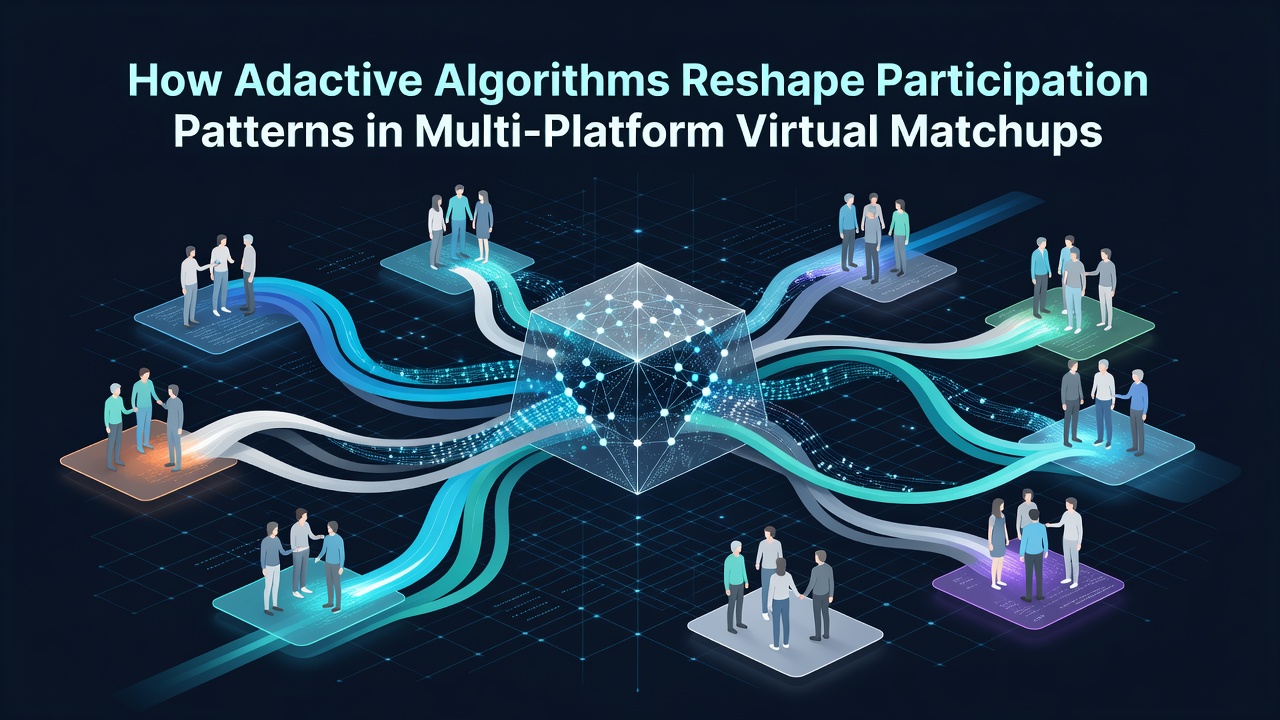
Adaptive algorithms now guide participation across virtual matchups that span PC, console, and mobile platforms, and they adjust matchmaking, difficulty scaling, and reward distribution in real time. These systems process performance metrics, session length, and device type to modify how players enter and stay engaged with competitive environments. Data from industry reports shows that platforms employing such algorithms record measurable shifts in daily active users and cross-device retention rates.
Core Mechanisms Behind Algorithmic Adaptation
Developers integrate machine learning models that evaluate player skill, latency, and historical behavior before each session begins. The models then assign opponents or teammates from a pooled dataset that includes users on different hardware configurations. Research conducted by the Entertainment Software Association indicates that these adjustments reduce wait times by up to 40 percent while maintaining competitive balance in titles released through 2026. Because the algorithms update continuously, they respond to sudden spikes in activity, such as those observed during major tournament weekends in November 2026.
Difficulty scaling forms another layer, where the system raises or lowers in-game challenges based on recent win rates and session completion data. Players who log in from mobile devices often encounter streamlined mechanics compared with those using high-end PCs, yet the underlying competitive structure remains consistent. Observers note that this approach allows developers to maintain a single shared ranking system rather than fragmenting leaderboards by platform.
Shifts in User Engagement Metrics
Participation patterns change once adaptive systems take effect. Session frequency tends to stabilize because players receive more consistent matches, while average play duration extends when reward schedules align with individual progress curves. A study released by the Interactive Games and Entertainment Association tracked users across three major titles and found a 22 percent increase in weekly logins after algorithmic matchmaking replaced static pairing methods. Those who switch devices mid-session experience fewer disruptions because the models carry performance profiles across platforms without requiring manual recalibration.
Cross-platform events scheduled for late 2026 demonstrate how these systems influence broader participation trends. Organizers report higher registration numbers when algorithms pre-sort entrants according to device performance and regional time zones. The result appears in sustained queue populations rather than the sharp drop-offs that occurred under older, non-adaptive frameworks.

Cross-Platform Dynamics and Retention Data
Multi-platform environments generate large volumes of telemetry that algorithms use to predict churn risk. When a player’s activity declines, the system may adjust match difficulty or introduce targeted incentives such as limited-time cosmetic rewards. Figures released by the Australian Interactive Games Association reveal that retention among users who participate in algorithmically managed events exceeds that of users in static matchmaking pools by 15 percentage points over six-month periods. Because the models incorporate device-specific input latency, mobile participants encounter opponents whose performance profiles align more closely with touch-screen constraints.
November 2026 tournaments provide recent illustrations. Organizers integrated adaptive seeding that accounted for platform-specific practice time, and registration data showed elevated numbers from regions with high mobile adoption. The algorithms also moderated prize distribution so that overall participation rates across skill tiers remained steady instead of concentrating among top-ranked accounts.
Challenges in Implementation and Oversight
Platform operators must balance transparency with competitive integrity when deploying these systems. Regulatory bodies in several jurisdictions, including the Canadian Centre for Digital and Media Literacy, have begun examining how algorithmic decisions affect fair access. Developers respond by publishing aggregate adjustment logs that show how frequently matchmaking parameters shift without exposing individual player profiles. This practice supports compliance while preserving the proprietary nature of the underlying models.
Hardware variability introduces additional complexity. Algorithms must normalize input differences between controllers, keyboards, and touch interfaces, and they do so by weighting performance indicators differently according to device category. Data collected through 2026 indicates that successful normalization correlates with higher cross-device migration rates, allowing users to maintain consistent participation regardless of the hardware they select on any given day.
Conclusion
Adaptive algorithms continue to modify how participants enter, compete, and remain active in multi-platform virtual matchups. The systems process performance and device data to refine matchmaking, difficulty, and rewards, producing measurable changes in engagement metrics. Reports from organizations such as the Entertainment Software Association and the Interactive Games and Entertainment Association document increased retention and more balanced participation across hardware types. As platforms prepare for events scheduled through 2027, these algorithmic frameworks remain central to sustaining consistent user activity in shared competitive environments.